
Commercial
Hot Oil Pumps: What Changes When the Fluid Runs at 600 Degrees
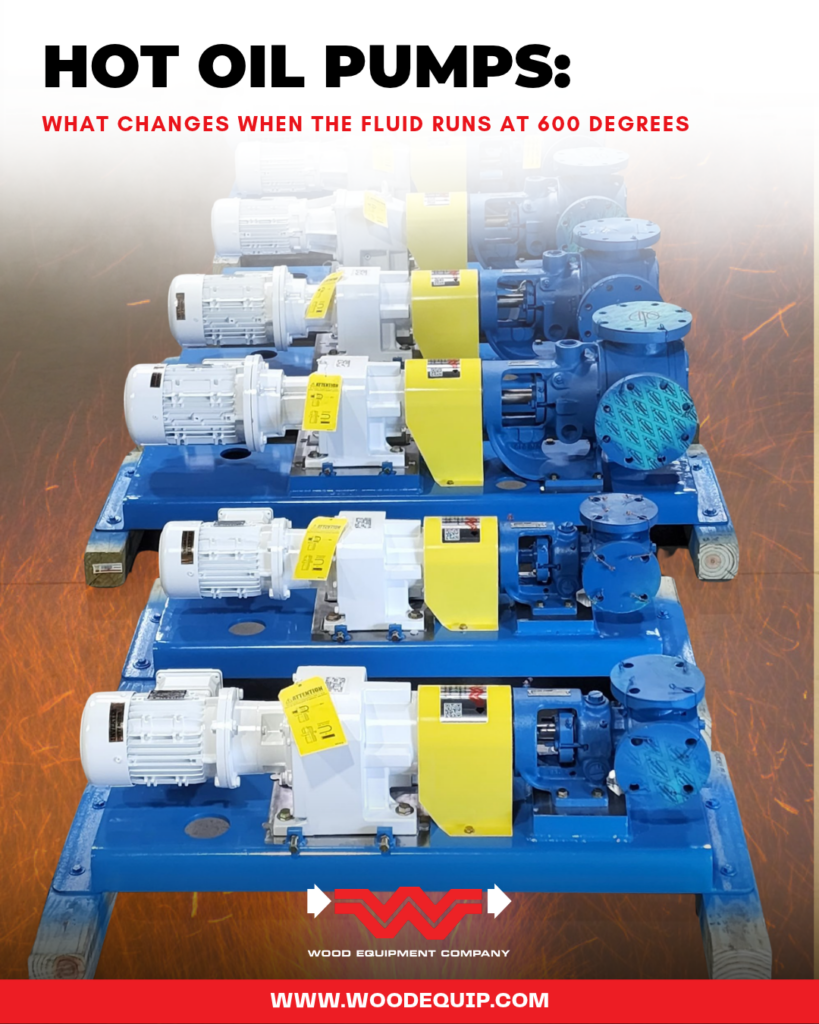
A hot oil pump has one of the hardest jobs in the plant. It moves thermal fluid at 400, 500, or 600°F, around the clock, and everything downstream is waiting on it. The press, the reactor, the fryer, the asphalt tank. When that pump stops, the heat stops moving and so does production. Industrial processes…
Read MoreLift Stations Keep Your Collection System Moving. Is Yours Ready for What’s Next?

Wood Equipment Company | Ashland, Virginia Nobody in town thinks about the lift station until it fails. Then everybody does. Lift stations are the heartbeat of a municipal wastewater collection system. Gravity can only carry sewage so far before the terrain says no, and that’s where a lift station takes over, pumping flow up and…
Read MoreIdle Pumps Can Still Fail: How to Protect Pumps in Storage and Standby

A pump that is not running is not resting. It is slowly getting worse. Some of the most frustrating calls we get start the same way. “We just installed the spare and it won’t turn over.” Or, “The standby pump kicked on during the storm and seized in ten minutes.” The pump looked fine on…
Read MoreSulzer Pumps in Virginia: What WEC Can Put on Your Floor
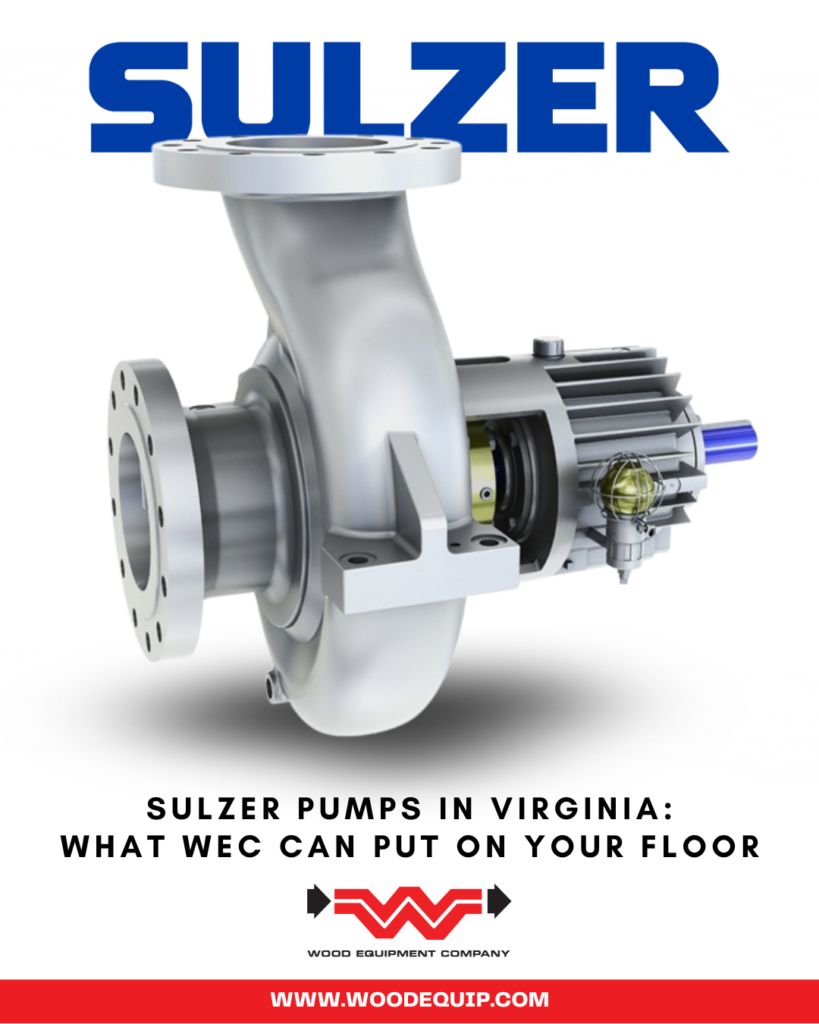
When a plant manager in Virginia calls us about a pump that is costing them money, the conversation almost never starts with a brand name. It starts with a problem. Flow is down. Energy cost is up. The seal keeps failing. The unit is thirty years old and nobody makes parts for it anymore. Sulzer…
Read MoreAurora Centrifugal Pumps: Proven Performance You Can Rely On
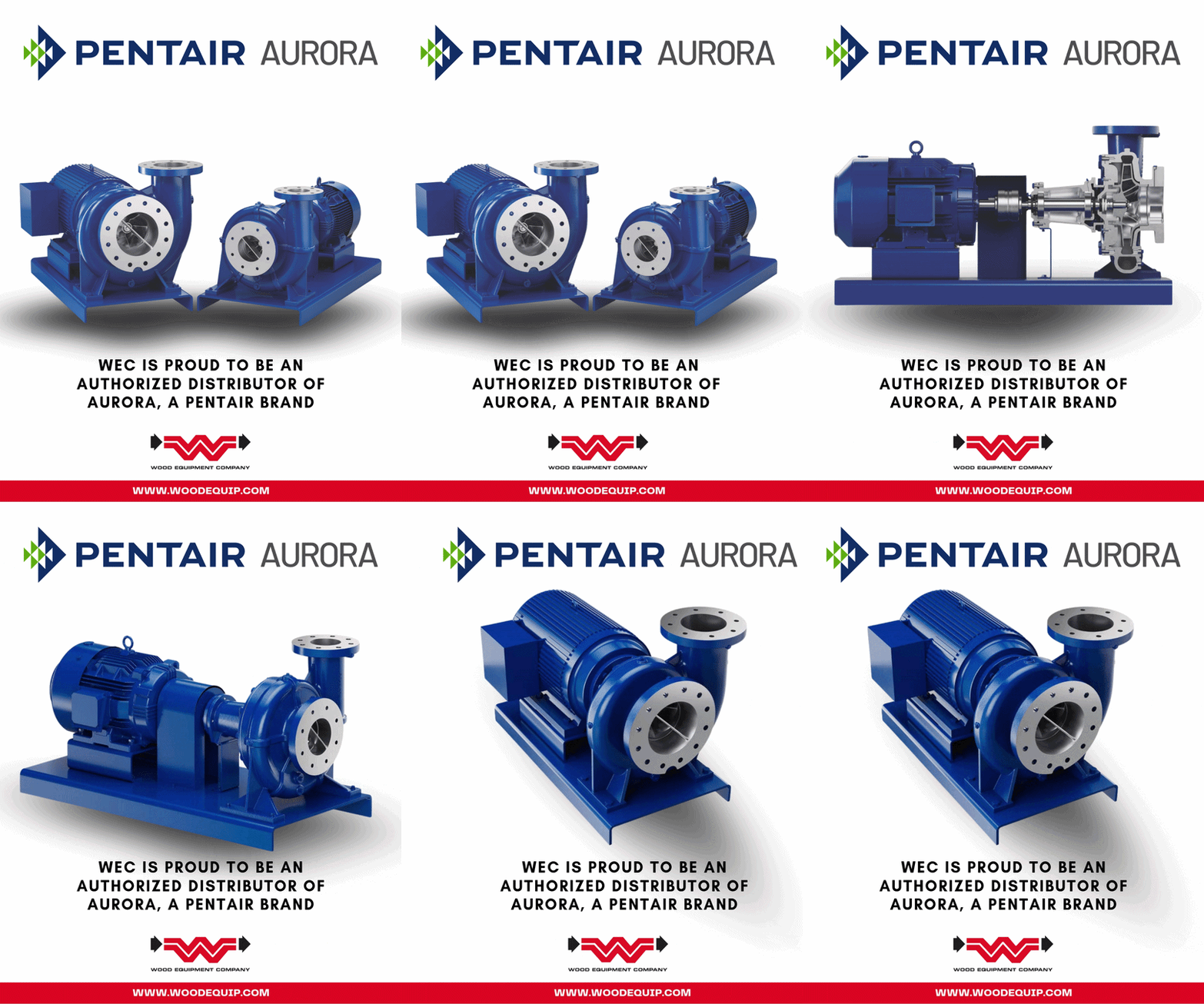
When a centrifugal pump fails, the ripple effects go far beyond the pump room. Industrial plants lose production time, municipalities risk service interruptions, and commercial facilities face costly downtime that impacts tenants and operations. Choosing the right pump technology from the start is one of the most effective ways to avoid these headaches altogether. That…
Read MoreWhy Late Summer Is the Best Time to Replace or Upgrade Your Pumps

Late summer marks a turning point for facility and plant managers across industrial, commercial, and municipal operations. Production schedules begin shifting toward year end targets, seasonal demand patterns start to change, and fall maintenance planning moves to the front of everyone’s mind. For pump systems that have been running hard through the summer months, this…
Read MoreMetering and Proportioning Pumps for Precision Chemical Dosing
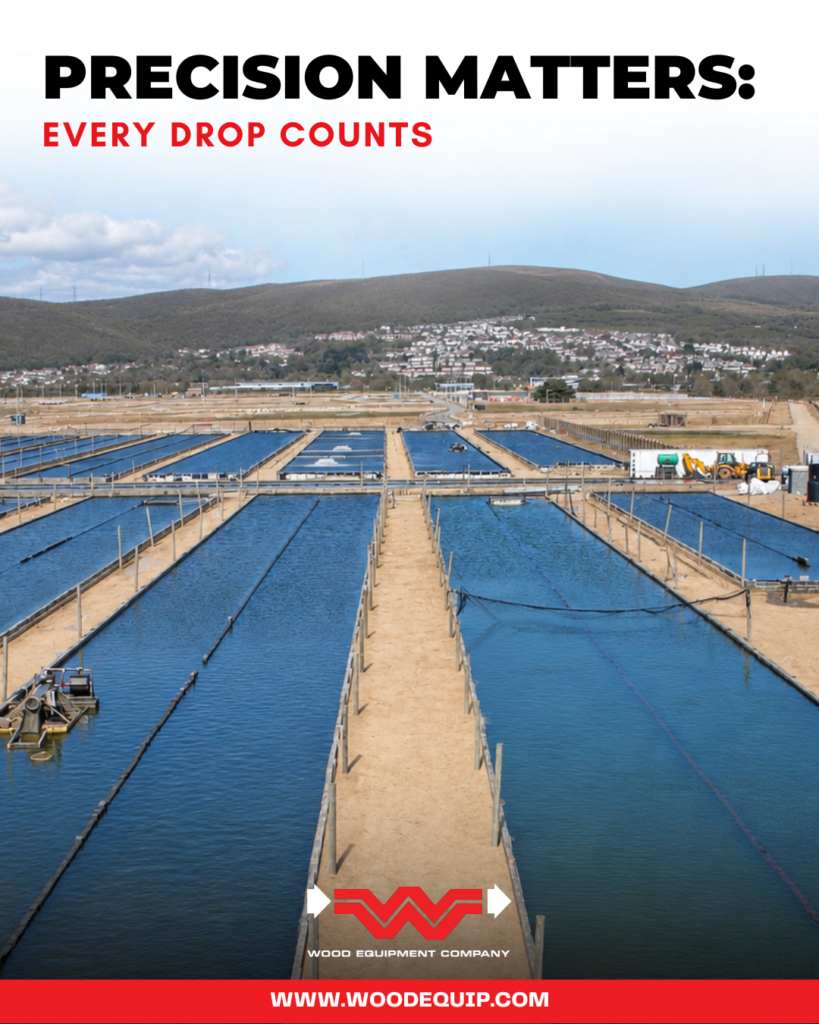
Every water treatment or industrial process depends on getting chemical dosing right, and that starts with the right metering and proportioning pumps. Add too much chemical and you waste product, drive up costs, or throw off the balance of the process. Add too little and you risk poor water quality, equipment damage, or failing to…
Read MoreWhy We Partnered with Nordic Water and What It Means for Your Facility
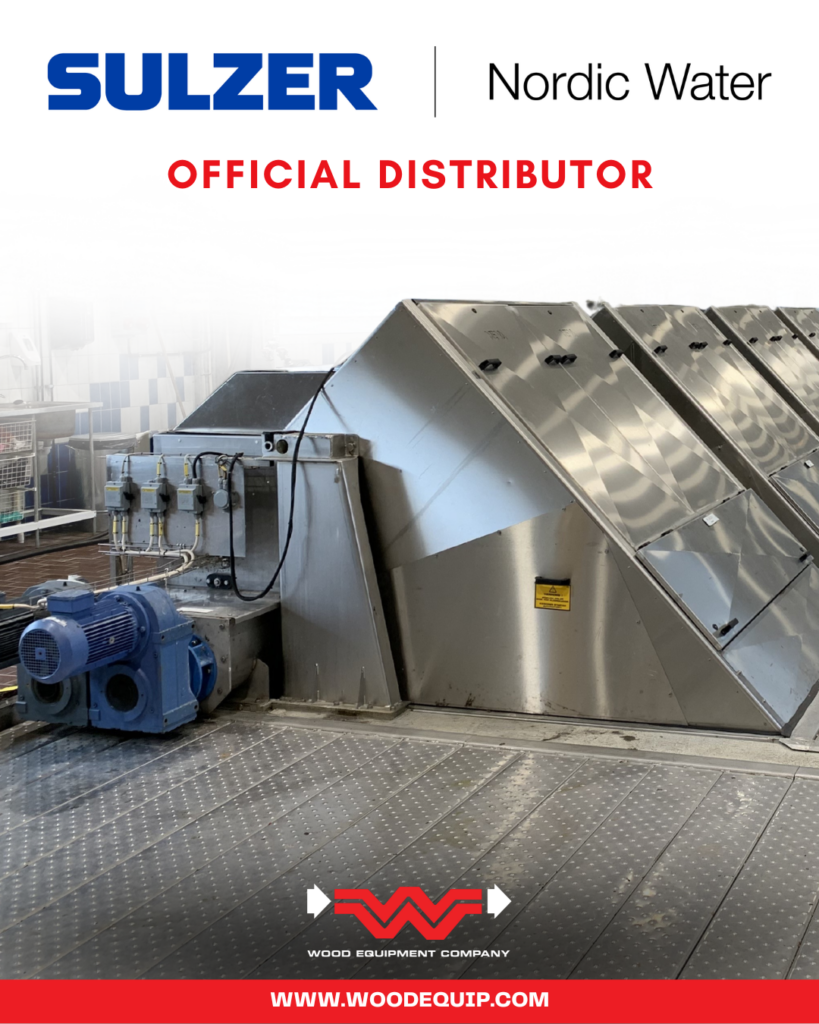
Nordic Water, a Sulzer brand, is globally recognized for advanced water and wastewater process solutions—particularly in screens, clarification, flotation, and filtration technologies that help facilities increase capacity, reduce footprint, and improve operating reliability. [nordicwater.com] With industrial wastewater flows becoming more variable and more regulated, we see growing demand for robust pretreatment and solids separation solutions that perform consistently under challenging conditions.…
Read MoreFresh for 2026: Wood Equipment’s New Line Card Is Here

A new year means a fresh lineup, and Wood Equipment Company’s 2026 line card is officially here. Whether you are an engineer specifying equipment for a new water treatment facility, a contractor sourcing pumps for a commercial build, or a plant manager keeping industrial operations running at peak performance, this is the resource you have…
Read MoreProgressive Cavity Pumps for Food & Beverage Processing | NETZSCH NEMO®
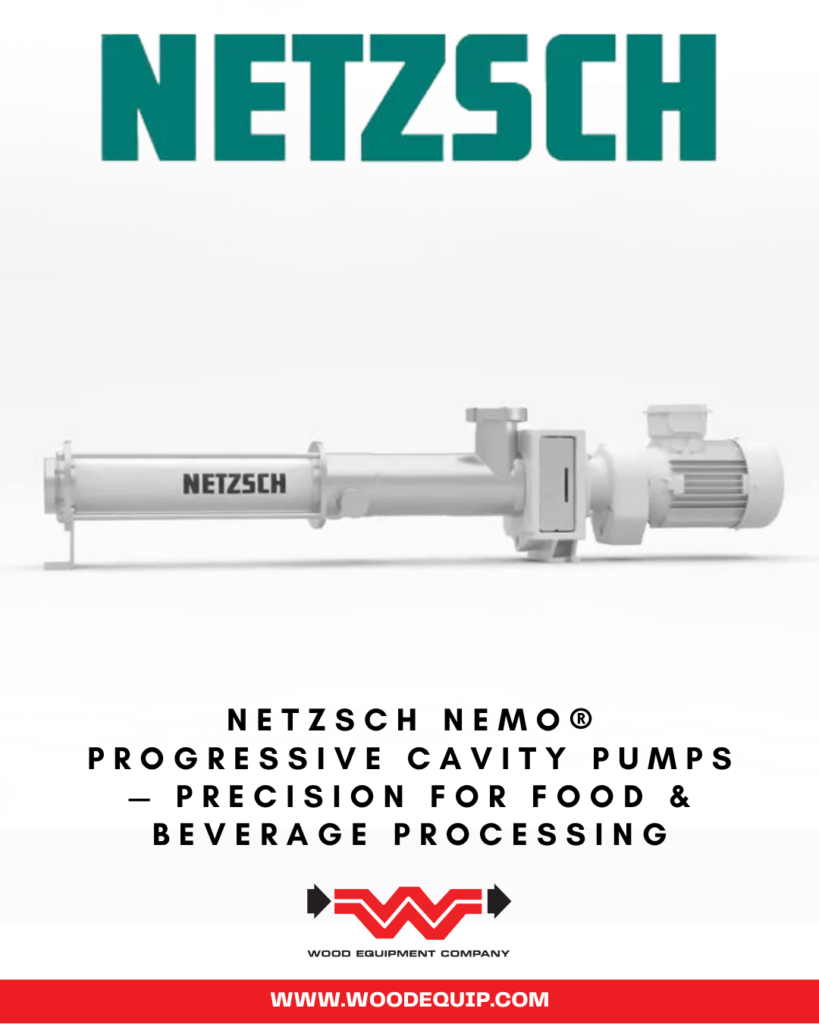
Progressive Cavity Pump Technology for Food & Beverage Processing Why NETZSCH NEMO® Pumps Are Trusted Across Sanitary Applications In Food & Beverage processing, pumping equipment must do more than move product from Point A to Point B. It must preserve product quality, meet strict hygienic standards, and operate reliably across changing viscosities and operating conditions.…
Read More